Plasticity 2026.2 is out
Plastic Software – aka developer Nick Kallen – has released Plasticity 2026.2, the latest version of the popular hard surface modeling software.
New features include an Assets system, making it possible to group components into shareable, reusable libraries; and a Curvature Analysis shader for troubleshooting models.
Users of the Studio edition of the software also get a new surfacing constraints system.
A lightweight NURBS modeling app for concept art as well as industrial design
Released in 2023, and pitched as “CAD for artists”, Plasticity is a streamlined NURBS modeler.
The software is intended to provide a low-cost, artist-friendly alternative to tools like MoI and Fusion, and is aimed at concept art as well as industrial design.
It features a streamlined UI, with on-screen clutter reduced by context-sensitive widgets and pop-up UI panels, and uses key bindings and selection modes familiar to Blender users.
New Assets system collects model components into reusable, shareable asset libraries
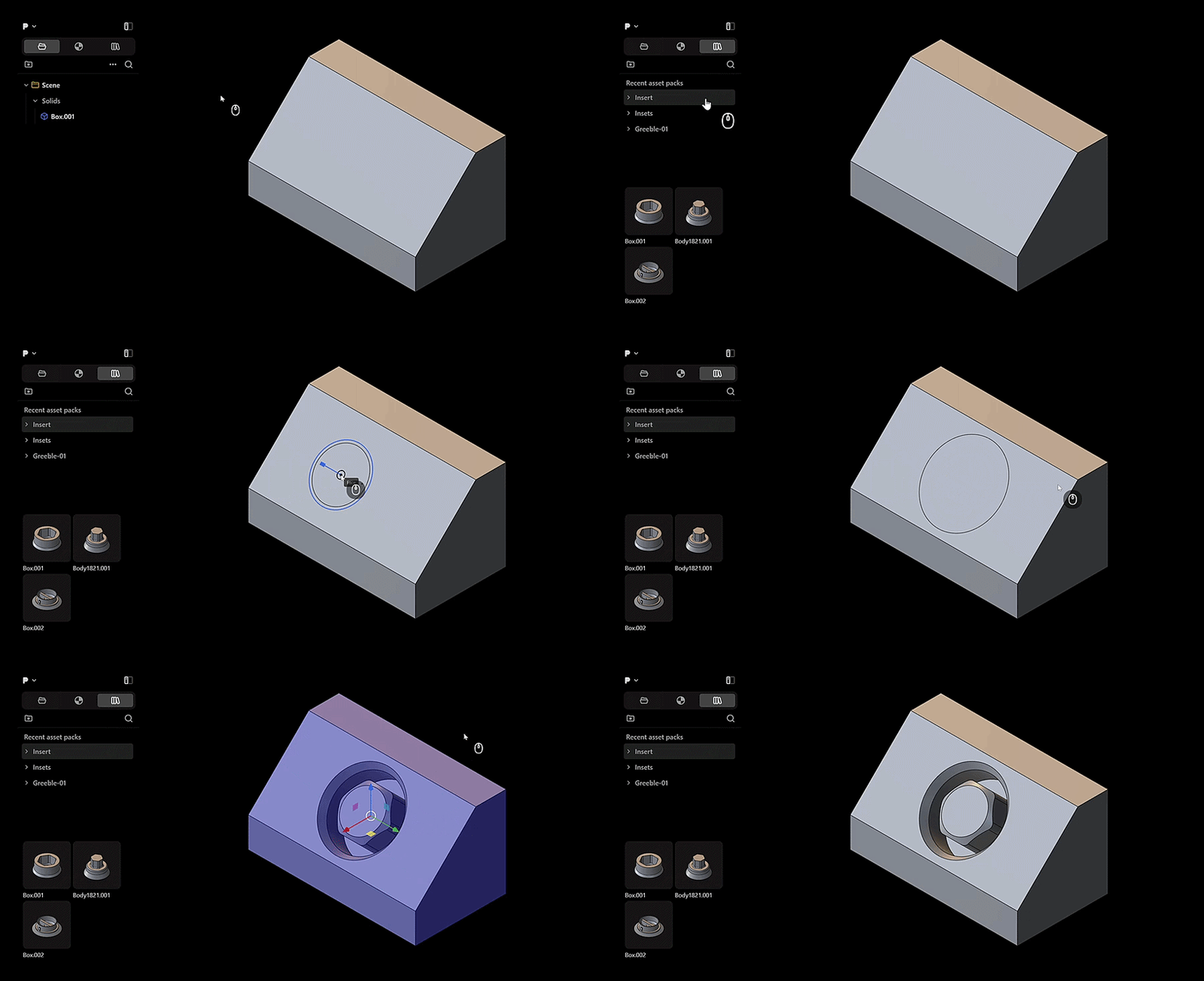
One major new feature in Plasticity 2026.2 is the Assets system, which makes it possible to group model components into reusable libraries.
Assets can be dragged directly into the viewport from the new Assets tab in the Outliner, speeding up repetitive work like adding bolts to a mechanical model.
Asset libraries can also be shared with other artists collaborating on a project.
Other changes: new Curvature Analysis shader and Project Align command
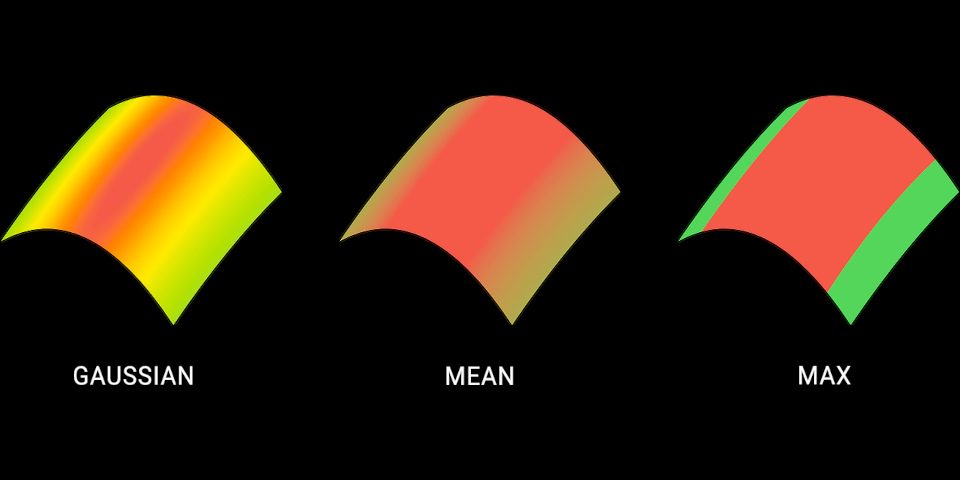
Other new features include the Curvature Analysis shader, intended for troubleshooting… well, the curvature of surfaces.
It has three modes: Gaussian, to show sudden changes; Mean, to confirm overall smoothness; and Max to spot potential problem areas when thickening or offsetting the surface.
For modeling, a new Project Align command aligns the CVs along a target surface’s edge to a reference surface, following either a vector direction or the surface normal.
There are also smaller updates to 15 existing commands, including Edge Align and Vertex Align; improvements to snapping workflow; and updates to the Outliner and viewport.
In addition, meshes, images and instances are now imported in files saved in Plasticity’s native .plasticity scene format.
Studio edition only: new surfacing constraints system
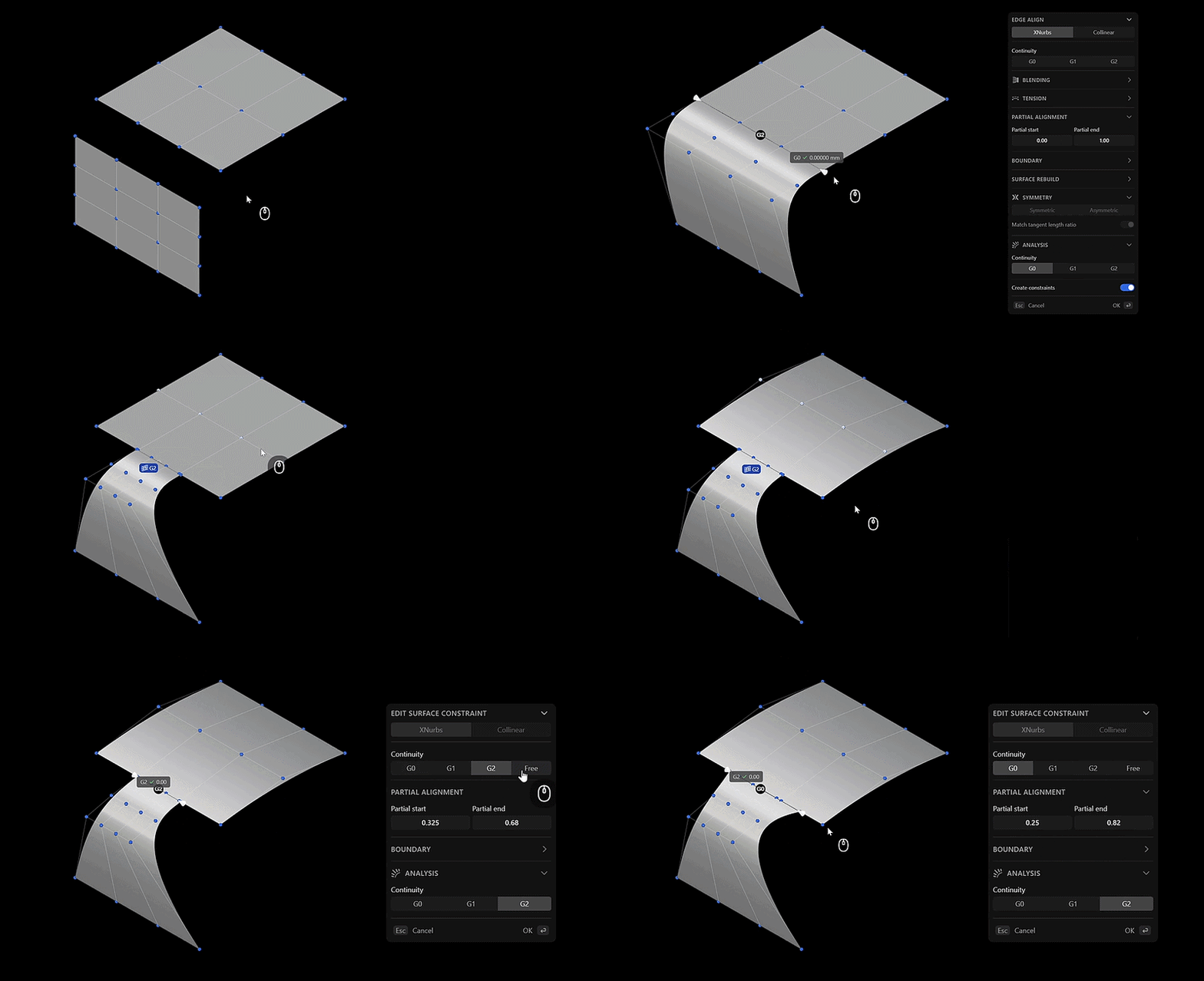
Users of the Studio edition of the software also get a new Constraint system.
It limits the ways in which connected surfaces change as they are transformed: for example, to preserve G0, G1 or G2 continuity across chains of edges and surfaces.
You can see a deeper dive into how it works at 05:45 in this video.
Price and system requirements
Plasticity 2026.2 is available for Windows 10+, Ubuntu 22.04+ Linux and macOS 12.0+. In the online documentation, the release is also referred to as Plasticity 26.2.
Perpetual node-locked Indie licenses cost $175. Studio licenses, which support a wider range of CAD file formats and include the xNURBS surfacing toolset, cost $299.
Read a full list of new features in Plasticity 2026.2 in the online release notes
Read more about Plasticity on the product website
Have your say on this story by following CG Channel on Facebook, Instagram and X (formerly Twitter). As well as being able to comment on stories, followers of our social media accounts can see videos we don’t post on the site itself, including making-ofs for the latest VFX movies, animations, games cinematics and motion graphics projects.